- 400 million North American poles inspected once every 5-10 years
- Automated workflows could save 19 million work hours annually in U.S.
- 70-80% of distribution assets overhead, creating infrastructure blind spot
- Geophysical Reasoning AI interprets structural relationships, not just detection
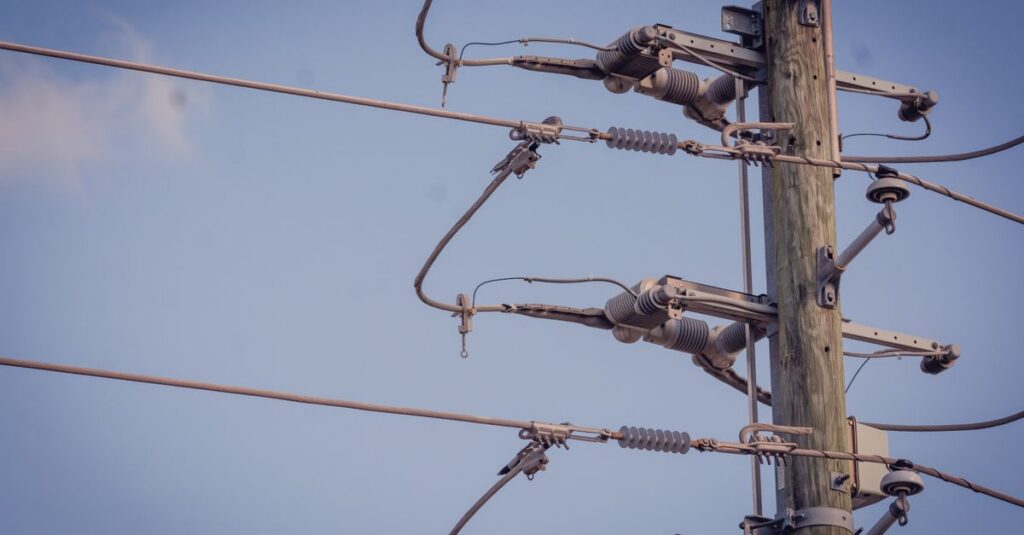
While smart sensors and connected substations have transformed energy infrastructure, approximately 400 million distribution poles across North America remain “dark assets”—infrastructure that physically supports the grid but exists in data systems as incomplete or outdated records. Most utilities lack verified data about the physical state of overhead assets, particularly structural loading, creating a blind spot that affects 70-80% of distribution infrastructure.
Computer vision now interprets structural relationships
Early applications of computer vision focused on detection—algorithms that could identify objects such as poles or insulators within an image, a step forward for inventory purposes. For distribution engineers, the real challenge lies in interpreting structural relationships through what’s known as Geophysical Reasoning. This deeper level of interpretation allows digital systems to automatically identify an asset’s specific height, diameter, material composition, and attachments.
By generating a structural blueprint rather than just a collection of photos, utilities can identify potential failures before they occur. In the U.S. alone, shifting to these automated workflows is estimated to unlock 19 million work hours saved annually, allowing utilities to reallocate investment toward grid hardening and wildfire risk reduction.
Pole loading analysis becomes standard practice
Poles erected during mid-20th-century electrification were designed with straightforward assumptions: apply deterministic wind and ice loads, expect a 30-50 year service life, and plan for telephone company attachments in predictable locations. Today’s reality is dramatically different—the number of joint-use attachments has exploded; distributed energy resource (DER) interconnections and electric vehicle (EV) charging loads strain existing networks; and climate change causes more frequent extreme weather pushing aging infrastructure to its limits.
Pole loading analysis (PLA), once viewed as optional engineering due diligence, is becoming standard practice across the industry. Regulatory bodies are asking harder questions about how utilities justify capital projects, and in an era of infrastructure-related litigation, utilities must demonstrate that investment decisions are based on actual analysis—not outdated assumptions.
U.S. electric utilities are projected to invest $1.4 trillion in electricity infrastructure between 2025 and 2030—double the amount invested over the prior decade, with a significant portion directly funding procurement and installation of new poles. Without verified structural data, utilities risk replacing poles that could safely remain in service or, worse, leaving undersized poles that fail prematurely—a capital allocation problem that compounds when multiplied across hundreds of thousands of structures.
Physical infrastructure data limits analytics
The vision of the smart grid has long focused on sensors, communications networks, and advanced analytics platforms, but the intelligence of the grid ultimately depends on the accuracy of the infrastructure data beneath it—if utilities cannot fully understand the physical structures supporting their networks, even the most sophisticated analytics tools will operate with incomplete information.
While wireless monitoring of end user loads using smart meter technology is now common and substation monitoring has always been available, real-time monitoring on distribution lines between substations and loads is not common. The gap isn’t in electrical measurement capability—utilities excel at tracking voltage and current flows—but in understanding whether the physical pole supporting that infrastructure can handle current loads plus anticipated future attachments. Utilities need structural intelligence about these assets to avoid replacing poles that could safely remain in service or leaving undersized or overloaded poles that fail prematurely.
Distribution pole digitization represents a fundamental shift from periodic physical inspection to continuous structural intelligence. For utilities facing regulatory scrutiny over capital allocation and catastrophic weather events, the ability to demonstrate data-driven pole replacement decisions—rather than age-based schedules—will determine both operational resilience and regulatory defensibility. Prioritize pole loading analysis for circuits serving critical infrastructure, high-attachment density areas, and wildfire risk zones where failure consequences are highest.
What makes distribution poles “dark assets” compared to other grid infrastructure?
Distribution poles are often inspected only once every five to ten years and exist in utility data systems as incomplete or outdated records. Unlike substations with SCADA integration or transmission lines with sensor monitoring, poles lack continuous data streams about their structural condition, loading, and remaining service life—creating visibility gaps for 70-80% of overhead distribution infrastructure.
How does geophysical reasoning differ from standard computer vision for poles?
Rather than simply detecting that a pole exists in an image, geophysical reasoning interprets structural relationships—automatically identifying an asset’s specific height, diameter, material composition, and attachment configuration. This capability allows digital systems to generate engineering-ready structural blueprints that support pole loading analysis, whereas basic detection only provides inventory counts without actionable engineering data.
Article Source: The Last Mile of Industrial Intelligence: Solving the Grid’s “Dark Asset” Problem