- Itera exits stealth with $12 million seed funding from Upfront Ventures, Costanoa Ventures, and Colle Capital.
- Fluid circuit board uses glass and liquid metal to rewire circuits in under 60 seconds.
- Technology enables 1,000x faster iteration cycles, compressing months of development into days.
- Top-five automotive OEM and defense contractors have already reserved production capacity.
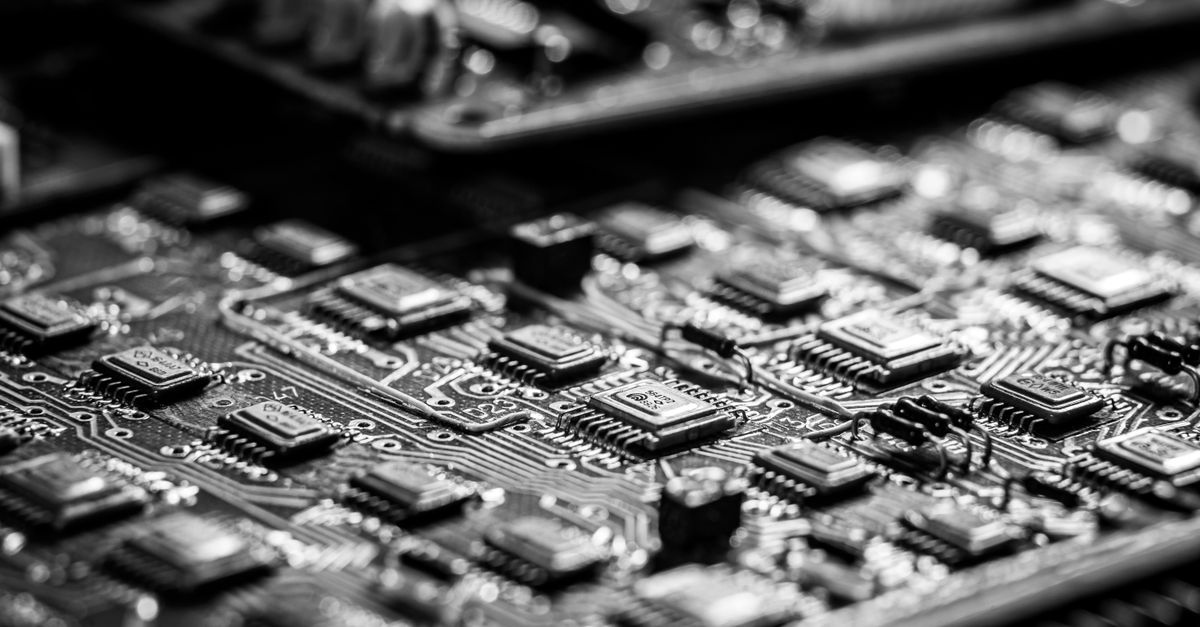
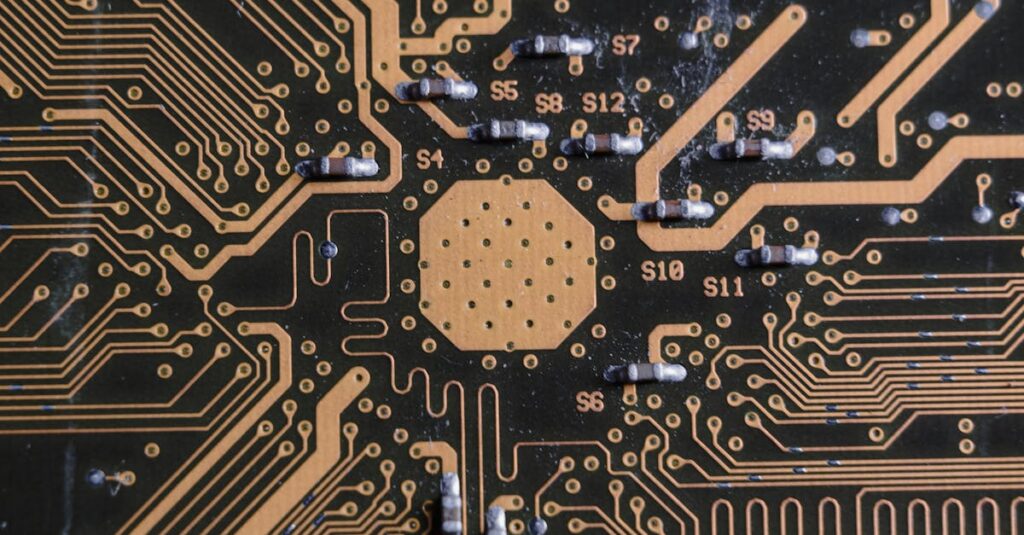
Deep tech startup Itera has emerged from stealth with $12 million in seed funding from Upfront Ventures, Costanoa Ventures and Colle Capital, unveiling a prototype of what the company calls the world’s first fluid circuit board. The technology promises to eliminate one of hardware engineering’s most persistent bottlenecks: traditional printed circuit board (PCB) prototyping can take between two and six weeks for each design iteration. For engineers and plant managers facing compressed development timelines and rising electronics complexity, this could fundamentally change how hardware products move from concept to production.
How Does the Fluid Circuit Board Technology Work?
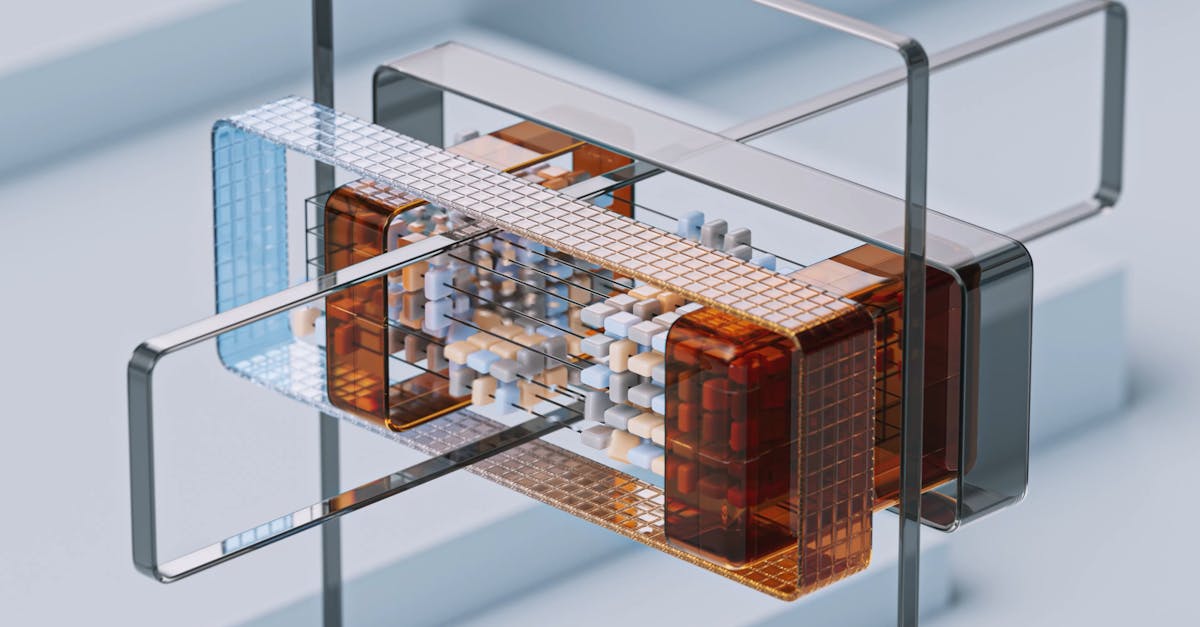
At the core of Itera’s innovation is a patented architecture using glass and liquid metal that allows circuit rewiring in under 60 seconds. The system uses electrowetting, where electric fields are used to precisely move liquid metal alloys across a glass substrate. Instead of relying on fixed copper traces, the system dynamically forms connections by shifting conductive liquid, effectively redrawing the circuit in place.
Unlike simulation software, which can only approximate circuit behavior, Itera’s fluid circuit board uses actual components with real electrical behavior. This distinction is critical for high-performance applications where simulation tools fall short. Engineers can probe any internal circuit node, not just exposed test points, offering signal visibility that traditional PCB prototypes cannot match. The platform uses a multilayer substrate that hosts engineers’ own components, built around liquid metal that can be repositioned electronically to reconfigure the circuit’s connections in under 60 seconds.
What Does This Mean for Electronics Development Costs and Timelines?
The financial implications are substantial. Traditional printed circuit board prototyping requires two to six weeks per iteration, contributing to an estimated $50 billion in annual electronics development spending. For a single hardware team, the cumulative cost of traditional PCB iteration can run from hundreds of thousands to millions of dollars. The broader market for PCB prototyping services was valued at $6.8 billion in 2025 and is projected to reach $13.4 billion by 2034, growing at 7.8% annually.
Itera claims iteration cycles that are up to 1,000x faster, compressing months of development into days. AJ Cooper, CEO and co-founder of Itera, explained the impact in practical terms: “For the first time ever, an engineer can change a circuit and test it again before their coffee gets cold.” This speed advantage could be particularly valuable in sectors developing AI-powered systems and autonomous technologies, where hardware complexity is escalating rapidly—similar to challenges addressed in automotive AI platform development.
Who Is Already Using This Technology?
The company’s initial production capacity is already reserved by a top 5 global automotive OEM and defense neoprimes, while a leading hyperscaler and multiple chipset manufacturers are actively evaluating the technology. The business model differs from traditional prototyping: Itera operates through an Electronics-as-a-Service model where customers’ designs are assembled using their actual components on Itera’s multilayer substrates at secure, U.S.-based testing centers, and customers change and test their hardware and software from anywhere until they have a validated design.
Mark Suster, Managing Partner at Upfront Ventures, drew a parallel to cloud computing infrastructure: “I’ve worked with hardware companies for 15 years and there have been almost no innovations in how to massively reduce the time to test and iterate physical PCB designs. Itera brings an AWS-like solution to testing hardware”. This model aligns with increased industry and government focus on domestic manufacturing and supply chain resilience, particularly as companies seek greater control over design and validation processes.
Key Takeaway
Itera’s fluid circuit board technology addresses a fundamental constraint in electronics development that has remained largely unchanged for decades. By enabling engineers to test real hardware changes in under a minute rather than waiting weeks for new prototypes, the platform could significantly accelerate product development cycles across automotive, defense, semiconductor, and industrial electronics sectors. For engineering teams managing tight development schedules and rising hardware complexity, this represents a potential shift from sequential prototyping workflows to real-time iterative development—bringing hardware development closer to the rapid iteration speeds software engineers have enjoyed for decades. Early adoption by major automotive and defense manufacturers suggests the technology is moving beyond prototype stage toward commercial viability.
Frequently Asked Questions
Q: Can this technology handle multilayer circuit boards and high-density interconnects?
Yes, Itera’s platform uses multilayer substrates and can accommodate real production components. The system is designed to support complex circuit configurations that engineers would typically prototype on traditional PCBs before moving to manufacturing.
Q: How does the liquid metal approach compare to field-programmable gate arrays (FPGAs) for rapid prototyping?
While FPGAs allow digital logic reconfiguration, Itera’s platform enables reconfiguration of physical circuit routing with actual discrete components. Conventional electronic simulation tools cannot fully replicate real-world electrical behavior, especially in high-performance or signal-sensitive systems, which makes physical prototyping with real components critical for analog, power, and high-frequency designs.
Q: What is the typical timeline from design submission to first test results using this platform?
The platform enables circuit reconfiguration in under 60 seconds, though initial assembly time would depend on circuit complexity. Engineers can run tests, make changes, and run tests again without waiting for a new board to be made, compressing what would normally be months of development into days.
Article Source: Itera raises $12 million for fluid circuit board that rewires itself in under a minute