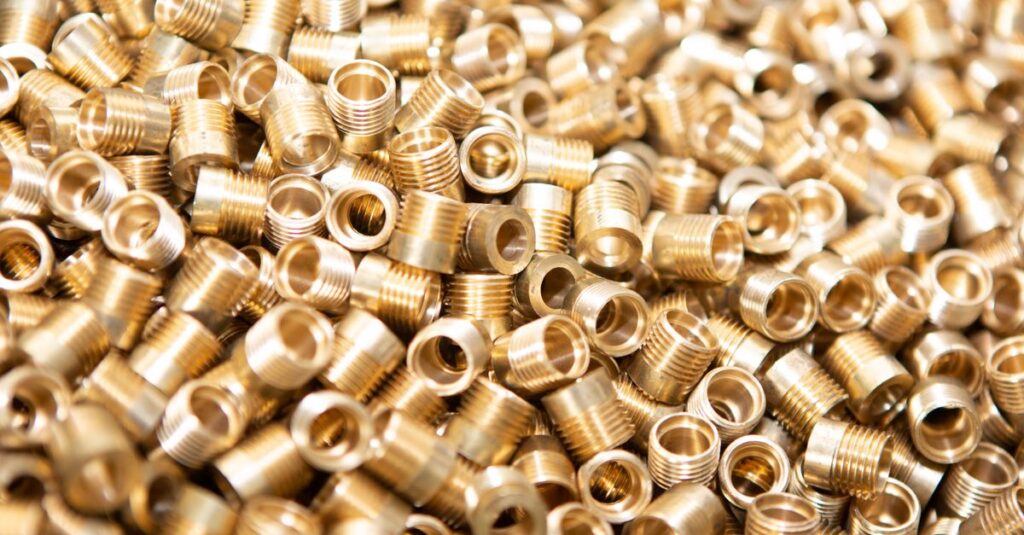
- Fastener costs run two to three times pre-pandemic levels across aerospace supply chains
- Last across-the-board material cost reduction was nearly 10 years ago for most suppliers
- PMA parts and DER repairs can save airlines up to $450,000 per engine overhaul
- Boeing forecasts 500 737 deliveries in 2026, up from 447 in 2025
Aerospace companies chasing parts at any cost over the past six years forgot to tackle cost itself. Fastener prices have ballooned to two or three times their pre-pandemic levels, according to Matteo Peraldo, partner and managing director at AlixPartners. An entire generation of procurement teams has never run a real cost-out exercise.
Peraldo, who advises OEMs, airlines, and MRO providers on aerospace value creation, warns the players moving now on cost reduction are building a compounding advantage. The ones waiting will feel it when a competitor underprices them on a key program or when their margins slip while everyone else’s hold.
Supply base no longer responds to decade-old playbooks
Direct material expenses have climbed throughout the aerospace ecosystem, but companies can’t simply dust off their pre-pandemic playbooks. The supply base, leverage points, and tools have all changed—AlixPartners is rewriting cost-reduction approaches with clients around AI, not spreadsheets. Fasteners remain sensitive due to limited qualified sources and special process dependencies, making them a persistent bottleneck alongside engines and titanium.
Flight-critical fastener categories have three or fewer qualified domestic makers, and a single facility disruption stops constellation production. The vulnerability extends beyond space programs. Engines continue to function as the pacing item for aircraft delivery timelines, and the system cannot normalize quickly when new build demand and MRO demand rely on the same industrial capacity.
MRO capacity competes directly with OEM production for the same constrained inputs. When Boeing or Airbus ramps production, independent repair shops face the same supply squeeze. This dual pressure won’t ease until qualified supplier capacity expands—a process measured in years, not quarters.
Aircraft values hinge on OEM delivery ramps and passenger demand
Peraldo watches two market signals that could reprice aircraft assets over the next 12 to 18 months. First, whether OEMs actually deliver the production ramp-up. Today’s asset values reflect a world short of aircraft, so the installed base—especially engines, the biggest bottleneck—commands a premium. Last year’s industry profit pool analysis showed engine OEMs and lessors capturing close to 90% of the industry’s profit as gatekeepers of capacity.
Asset values are at or near their peak on the assumption the ramp comes through. Boeing is currently producing 737s at approximately 42 per month and is targeting rate 47 in 2026, with a new fourth 737 assembly line at Everett planned to come online this summer. Second signal: passenger demand. The concerning scenario isn’t either factor alone, it’s both at once—the delivery ramp finally landing if demand were to soften simultaneously. Supply catching up into a weaker market is what reprices assets.
Proprietary content separates independent MRO winners
Airlines keeping older aircraft in service longer have made the aftermarket the strategic battleground, and the clearest differentiator among independent providers is proprietary content—PMA parts and DER repairs.
PMA parts play a critical role in keeping aircraft maintenance ecosystems going as airlines operate aircraft for longer lifespans and OEMs focus on supporting on-wing and stock-inventory requirements. Sometimes that OEM focus comes to the detriment of the aftermarket, leading to long lead times and shortages. The economics change on both sides: lower total cost of ownership for the airline or lessor, higher margins for the MRO provider.
Pre-COVID 2019 Air Transport MRO spend was approximately $87 billion, of which $35 billion was materials, including $5 billion in used serviceable material, $725 million in PMA parts, and a $6 billion-plus market for part repair. Hesitation largely sits with lessors, who prioritize asset conformity and remarketing flexibility, though even that stance is softening as PMA traceability and documentation standards mature.
Aerospace suppliers that delay cost-reduction efforts risk building a structural margin gap that will be extremely difficult to close. The window to act is now, while supply chains stabilize but before competitors lock in cost advantages. Focus on fasteners, engines, and titanium—the three categories where qualified sources remain scarce and prices have run up most. For MRO providers, proprietary content through PMA parts and DER repairs offers the clearest path to margin expansion in an “older-for-longer” aircraft environment.
What are PMA parts and DER repairs in aerospace MRO?
PMA (Parts Manufacturer Approval) parts are FAA-approved replacement parts manufactured by companies other than the original equipment manufacturer. PMA parts are aftermarket replacements where the manufacturer must demonstrate to the FAA that their part is equal to or better than the part it replaces. DER (Designated Engineering Representative) repairs are individual repair practices approved by the FAA that restore broken components to initial design requirements, offering cost savings over OEM repairs.
Why are aerospace fastener costs still elevated in 2026?
Fasteners remain sensitive due to limited qualified sources and special process dependencies, with flight-critical fastener categories having three or fewer qualified domestic makers. The combination of stringent certification requirements, specialty materials like titanium and superalloys, and competition between new aircraft production and MRO demand for the same industrial capacity keeps prices elevated. Most aerospace companies haven’t conducted a comprehensive material cost reduction in nearly a decade.
Article Source: Q&A: An Insider’s Take on the Future of Aviation