
- Avnet attached computing backpack delivering 50 TOPS to Unitree quadruped robots
- AMD Ryzen AI Embedded processors enable low-latency inference without cloud connectivity
- Platform targets factories, warehouses, ports, utilities, tunnels and mission-critical environments
- Weston Robot resells Unitree platforms primarily as robots-as-a-service
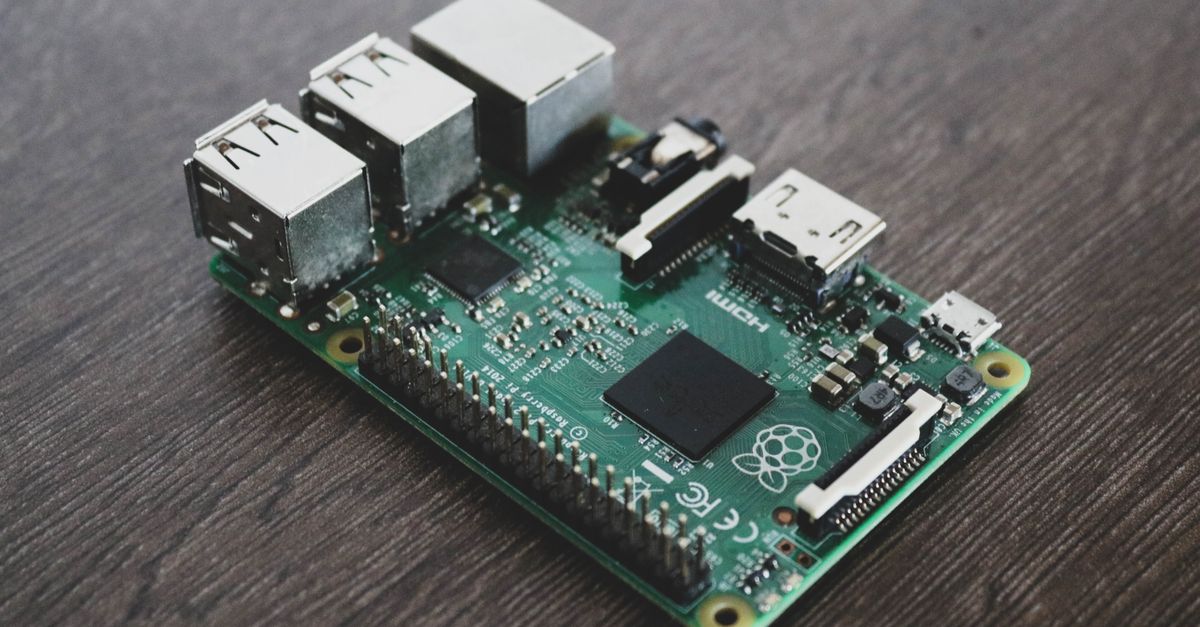
Avnet attached a backpack filled with components to a Unitree quadruped, delivering up to 50 TOPS of AI performance through AMD Ryzen AI Embedded processors. Singapore-based robotics integrator Weston Robot combines the compute architecture with its fleet management software to create an autonomous inspection platform for complex industrial sites. The system supports AI-driven inspection, thermal and visual analytics, 3D lidar mapping, and dependable operation in GPS-denied environments.
Unitree B2 carries 40 kg payloads for 20 km
Weston Robot primarily resells Unitree quadruped robots. The Unitree B2 quadruped features a quick-change battery with 45 Ah capacity providing 4-6 hours of battery life. When walking without a load, operations exceed 5 hours with a mileage range greater than 20 km. With a 20 kg load, battery life exceeds 4 hours and mileage range exceeds 15 km.
The base MSRP for the Unitree B2 quadruped is $100,000. At 6 m/s, IP67-rated, operating between -20°C and 55°C, the B2 patrols live substations autonomously—capturing thermal profiles, reading analog gauges, and detecting partial discharge. Over 60% of transformer failures originate from thermal or dissolved-gas anomalies detectable weeks before catastrophic failure.
AMD’s 50 TOPS chip enables mission-specific AI training onboard
AMD first introduced the Ryzen AI Embedded X100 family in January 2026, delivering up to 50 TOPS of AI performance. All feature Zen 5 cores, an up to 50 TOPS NPU, and a TDP of 55 Watts. The XDNA 2 NPU delivers up to 50 TOPS, for up to 3x higher AI inference performance compared to AMD’s previous generation embedded chips.
The Avnet architecture does more than process data—it enables new inspection tasks to be trained and deployed directly to the robot in the field. Using onboard cameras and sensors, the quadruped patrols a defined path, stopping to investigate inspection sites along its route. Avnet claims this setup enables capabilities not possible with the basic Unitree quadruped alone. The compute headroom matters because industrial environments demand running multiple AI models simultaneously: object detection for navigation, thermal anomaly recognition for predictive maintenance, and visual inspection algorithms trained on site-specific defects.
GPS-denied environments force reliance on edge processing
The platform enables low-latency AI inference, faster decision-making, and reliable operation even where cloud connectivity is limited, allowing organizations to detect operational issues earlier and reduce inspection costs. SLAM (Simultaneous Localization and Mapping) algorithms map the environment and track position, while optical flow analyzes movement, enabling drones to operate safely in GPS-denied environments for search and rescue, industrial inspections, and defense missions.
Indoor facilities, underground tunnels, and dense industrial structures block GPS signals entirely. Drone operations can reduce inspection costs by up to 70% compared to traditional methods—but only if the drone can actually fly where it needs to. The same constraint applies to quadrupeds. Processing sensor fusion, 3D mapping, and AI inference at the edge eliminates dependence on connectivity that doesn’t exist in these environments.
The Avnet-Weston platform addresses a specific gap: facilities that need autonomous inspection in GPS-denied, connectivity-limited environments and can justify the $100,000+ hardware investment plus integration costs. The value proposition depends on inspection frequency—daily autonomous patrols detecting thermal anomalies weeks before failure justify the cost in power substations or chemical plants. Quarterly manual inspections don’t. The 50 TOPS compute capacity and ability to train custom models onboard differentiate this from basic quadruped platforms, but ROI hinges on whether your failure modes are detectable early enough and costly enough to matter.
What makes edge AI processing necessary for quadruped inspection robots?
Indoor facilities, tunnels, and dense industrial structures block GPS signals entirely, preventing cloud-based processing. Edge AI processes sensor fusion, 3D lidar mapping, and thermal analytics locally on the robot, enabling operation in substations, chemical plants, and underground environments where connectivity doesn’t exist. The AMD Ryzen AI Embedded processors deliver 50 TOPS of compute performance with a 55-watt TDP, sufficient to run multiple AI models simultaneously without external infrastructure.
How does the Unitree B2’s endurance compare to competing industrial quadrupeds?
The Unitree B2 delivers 4-6 hours of battery life with a 45 Ah quick-change battery, covering over 20 km unloaded or over 15 km with a 20 kg payload. The base platform costs $100,000, significantly less than Boston Dynamics Spot or ANYbotics ANYmal. The B2 operates in -20°C to 55°C environments at IP67 rating and moves at 6 m/s, making it suitable for outdoor power grid inspection and harsh industrial conditions.
Article Source: Avnet and Weston Robot partner to launch edge AI inspection platform