NASA’s Jet Propulsion Laboratory is testing a radiation-hardened processor that delivers computational performance up to 100 times greater than current spaceflight computers, potentially enabling spacecraft to operate autonomously during deep space missions. The High Performance Spaceflight Computing project addresses a critical bottleneck in space exploration: legacy processors robust enough for space conditions but inadequate for advanced autonomous operations and real-time scientific analysis.
Technical Specifications and Testing
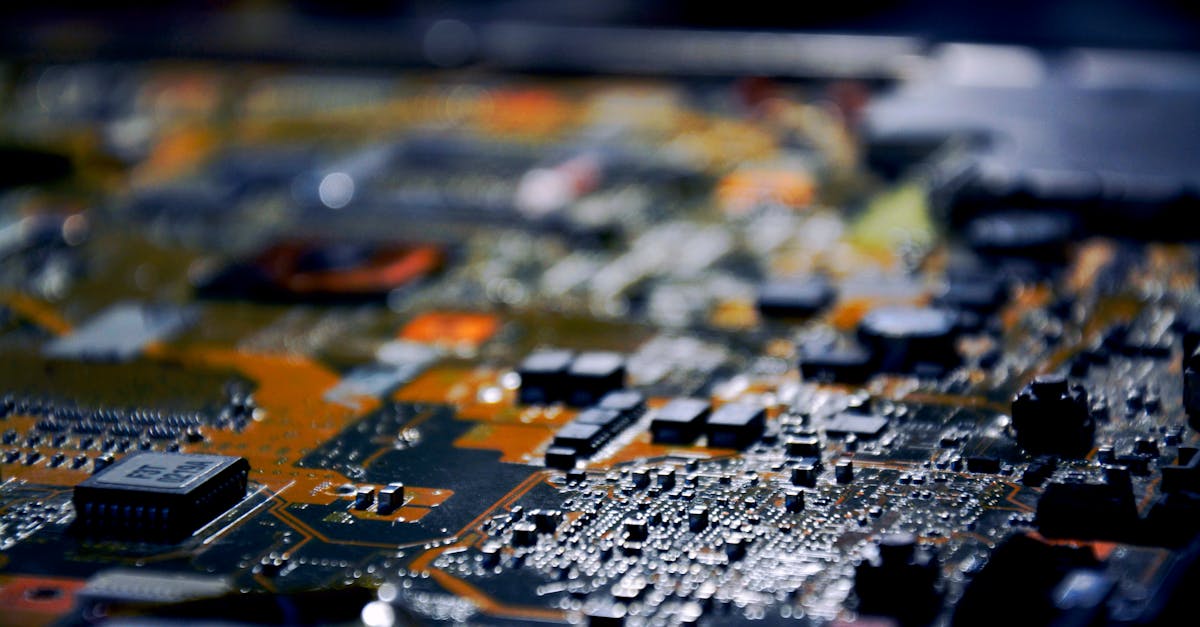
The system-on-a-chip processor, compact enough to fit in a palm, incorporates multicore architecture with fault-tolerant design specifically engineered for the radiation-intensive environment beyond Earth’s protective magnetosphere. JPL engineers are subjecting the chip to rigorous testing protocols that simulate extreme space conditions, validating both computational capabilities and survival characteristics required for missions to the Moon, Mars, and beyond.
Implications for Future Missions
Current spacecraft depend on older, proven processors that sacrifice performance for reliability. This technological constraint limits mission complexity and requires constant ground control intervention. Eugene Schwanbeck, program element manager in NASA’s Game Changing Development program at Langley Research Center, characterized the advancement as building on previous space processor generations while introducing flexibility and significantly enhanced performance capabilities. The technology could enable faster onboard scientific data processing, reducing communication delays inherent in deep space operations where signal transmission takes minutes or hours.
Key Takeaways
The development represents a fundamental shift in spacecraft autonomy potential, particularly relevant for aerospace contractors and mission planners designing next-generation exploration platforms. Engineers should monitor NASA’s commercial partnership approach and testing results, as successful validation could establish new baseline requirements for spaceflight computing systems. Organizations developing space-rated electronics may need to accelerate radiation-hardened AI processor development to remain competitive in future NASA procurement cycles.
Article Source: NASA’s new AI space chip could let spacecraft think for themselves | Image: Photo by Paul Seling via Pexels