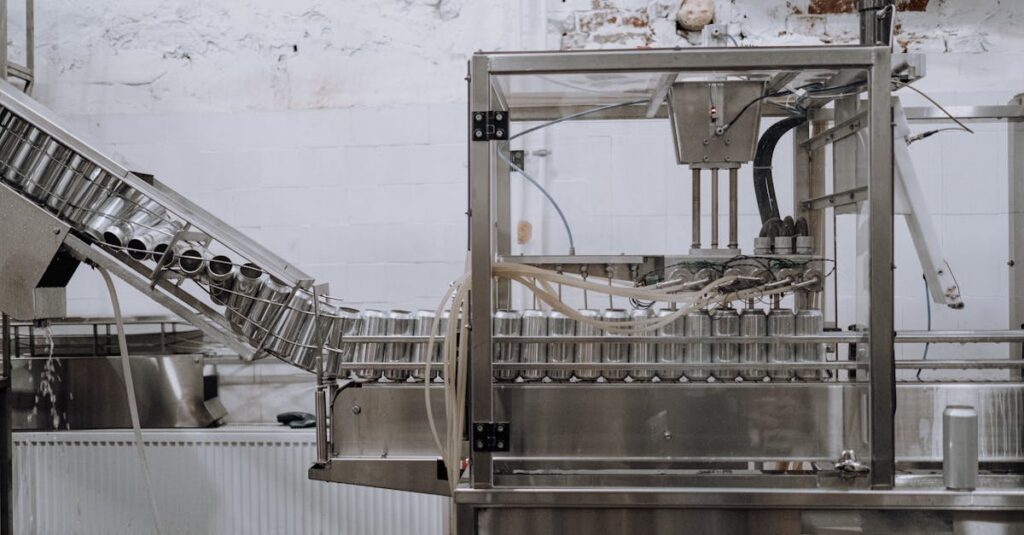
- Thermal imaging verifies fill levels and seal integrity on every unit without slowing production
- System detects temperature variations invisible to traditional cameras through opaque packaging
- Integration with HACCP and BRCGS platforms enables continuous process control instead of sampling
- Technology addresses critical gap where contaminated seals compromise shelf life and food safety
Food and beverage manufacturers are integrating thermal imaging technology into filling and sealing lines to detect quality defects that visual inspection systems cannot see. The Flir A70 Smart Sensor captures detailed thermal patterns at production speed, detecting temperature variations that indicate underfills, trapped product in seal areas, and inconsistent sealing pressure. For plant managers facing regulatory pressure and the risk of costly recalls, this represents a shift from reactive sampling to continuous, 100-percent in-line inspection.
Why Traditional Inspection Methods Leave Critical Gaps
Manual inspection and standard vision systems have limits; sampling means some packs are never checked. Operators rotate and fatigue sets in, introducing variability that multiplies across thousands of units per hour. Opaque or multilayer packaging hides defects that traditional cameras cannot easily detect, creating blind spots precisely where contamination risks are highest.
Even minor temperature inconsistencies at the seal point can affect integrity. Weak or contaminated seals compromise shelf life and, in the worst cases, food safety. When defects escape detection, the consequences move fast: production stops, stock is quarantined, and teams work late to contain the damage. The cost extends beyond the factory floor, affecting brand reputation and consumer trust.
How Does Thermal Imaging Close the Inspection Gap?
Instead of relying on surface appearance, thermal imaging measures heat distribution as seals are formed and products move through the line. This fundamental difference in detection methodology enables visibility into process parameters that determine quality but remain invisible to conventional vision systems.
This is not sampling—it is continuous, 100 percent in-line inspection of every pack and every cycle with no sampling gaps. Defects can be rejected immediately, before they progress further downstream or leave the facility, transforming quality control from a verification step into real-time process management.
Manufacturing facilities are integrating AI-enabled thermal monitoring into quality control processes where temperature variations indicate potential defects, with systems learning baseline thermal signatures for processes. This combination of thermal sensing and machine learning enables detection of anomalies that would require extensive manual analysis using traditional methods.
What Does Integration with Existing Control Systems Enable?
When thermal inspection is integrated into existing control systems, quality shifts from reactive checking to process control, with data feeding directly into the plant’s existing platforms and creating a clear, auditable record supporting HACCP and BRCGS requirements. Edge processing ensures decisions happen instantly, without slowing the line.
This architectural approach addresses a fundamental challenge in high-speed manufacturing: balancing comprehensive inspection with production throughput. By processing thermal data at the edge and integrating results into plant control systems, manufacturers gain visibility into seal quality without introducing latency that would compromise production rates.
When operations teams can see exactly what is happening at the seal point, they make decisions earlier and have confidence that the process is under control. The operational impact extends beyond defect detection to process optimization, enabling adjustments based on thermal signatures before quality drift produces rejects.
Key Takeaway
Thermal imaging technology transforms quality assurance in food and beverage manufacturing from a sampling-based verification activity into continuous process control. For plant managers and engineers evaluating inspection upgrades, the technology delivers three concrete advantages: 100-percent inspection coverage eliminating sampling gaps, detection capabilities that work through opaque packaging materials, and integration with existing control platforms that support regulatory compliance without disrupting production flow. The investment delivers measurable returns through reduced waste, earlier defect detection, and operational confidence that manual inspection cannot provide at production speeds.
Frequently Asked Questions
Q: Can thermal imaging detect seal defects through opaque or printed packaging materials?
Variations in temperature highlight underfills, trapped product in the seal area and inconsistent sealing pressure, even through opaque or printed packaging. Unlike visual systems that rely on transmitted or reflected light, thermal cameras detect infrared radiation emitted by the sealing process itself, making packaging transparency irrelevant to detection capability.
Q: How does thermal inspection integrate with existing HACCP and quality management systems?
Data feeds directly into the plant’s existing platforms, creating a clear, auditable record and supporting HACCP and BRCGS requirements. Modern thermal inspection systems use standard industrial communication protocols, enabling seamless integration with plant control systems and quality management databases without requiring parallel documentation processes.
Q: What is the typical return on investment timeline for thermal inspection systems?
ROI calculations depend on production volume, defect rates, and cost of quality failures, but the technology addresses both direct costs from rework and waste plus indirect costs from recalls and brand damage. Predictive maintenance programs using thermal imaging deliver 30-40% cost savings over reactive maintenance approaches, providing a benchmark for the broader value thermal monitoring delivers in manufacturing environments.
Article Source: Quality Assurance Beyond Visual Inspection in Food & Beverage Manufacturing